The Slow Pour Revolution: Meet the Coffee Obsessives Quietly Making Tachikawa Tokyo's Best Café Destination
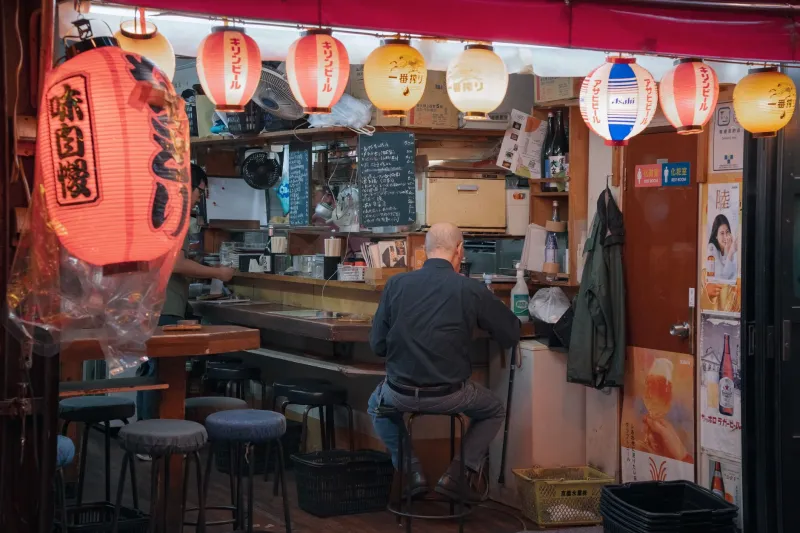
Photo: specialty coffee pour over cafe Japan minimalist interior, via blogger.googleusercontent.com
Let's be honest about what the specialty coffee scene in Tokyo's central neighborhoods has become. The best places are genuinely great, but getting to them increasingly means navigating Instagram crowds, weekend queues that stretch out the door, and an atmosphere that sometimes prioritizes the aesthetic over the cup. It's the same thing that happened to the third-wave coffee scene in New York and Los Angeles once the hype cycle fully kicked in.
Out in Tachikawa, something different is happening. The coffee is just as serious — sometimes more so — but the whole experience feels less like a performance and more like actually drinking good coffee with people who care about it. A cluster of independent roasters and specialty cafés has taken root here over the past several years, and the scene they've built is quietly becoming one of the most compelling reasons to make the trip west from central Tokyo.
The Economics of Good Coffee
Every coffee professional in Tachikawa will eventually get around to talking about rent, and for good reason. Opening a specialty roaster in Shibuya or Daikanyama means accepting costs that put serious pressure on every business decision. Equipment upgrades, sourcing relationships with small-lot farms, the time and staff needed to dial in a new single-origin bean properly — all of that becomes harder when you're fighting to cover a premium lease every month.
Tachikawa changes the math. The neighborhood sits far enough from central Tokyo that commercial rents are meaningfully lower, but it's connected well enough — the Chuo Line makes it about 35 minutes from Shinjuku — that drawing a regular customer base is totally realistic. For coffee people who want to run a business built around craft rather than volume, that combination is genuinely attractive.
What you end up with is a collection of shops that can afford to go deep on the things that actually matter in specialty coffee: green bean sourcing, roast profiling, brew method experimentation, and the slower, more conversational customer experience that serious coffee culture is built on. It's a similar dynamic to what drove the best independent roasters toward neighborhoods like Portland's Alberta Arts District or Chicago's Logan Square — not the trendiest zip codes, but the ones where the work itself could take center stage.
What the Cups Actually Taste Like
Tachikawa's specialty shops skew toward lighter roasts and single-origin offerings, which tracks with the broader third-wave direction, but there's genuine range in how different roasters are approaching the craft. Some lean into the floral, fruit-forward profiles that East African beans tend to produce — the kind of cup that tastes almost like a different beverage from what most people think of as coffee. Others are working with Central and South American beans in ways that bring out chocolate and nut notes with real complexity rather than just defaulting to a safe, crowd-pleasing medium roast.
Brew methods vary by shop but pour-over is the dominant format, which makes sense given how much control it gives the barista over extraction. A few spots have invested in serious espresso programs as well, and the results hold up against anything you'd find in Nakameguro or Omotesando. The key difference is that in Tachikawa, you're more likely to have an actual conversation with the person making your drink about why they chose a particular bean or adjusted their grind that morning. The pace allows for it.
If you're visiting from the US and you're used to the specialty scene in cities like Seattle, Denver, or Nashville, you'll feel immediately at home with the sensibility here. The vocabulary is the same, the attention to origin and process is the same, and the quiet pride in a well-executed cup is absolutely the same.
The Shops Worth Seeking Out
The core of Tachikawa's café scene clusters around the north side of the station and extends into the quieter residential streets a few blocks back from the main commercial strip. This is intentional — the shops that have settled here tend to prefer a slightly removed location that filters for customers who are actually coming for the coffee rather than foot traffic.
What you'll find when you start exploring is a mix of formats: standalone roasters with small retail floors where you can buy beans to take home, café-forward spaces designed for sitting and working through a few different preparations, and a couple of hybrid spots that combine serious coffee with light food menus in ways that feel genuinely thought through rather than tacked on. The food, where it exists, tends to be simple and good — house-made pastries, sandwiches built with quality ingredients — nothing that competes with the coffee for attention.
Weekday mornings are the sweet spot for visits. The crowd skews toward locals who have built these places into their daily routines, which creates a relaxed, almost neighborhood-bar-like atmosphere that's hard to find in the more tourist-trafficked parts of Tokyo's coffee scene. Weekends bring more visitors, but even then the vibe stays pretty chill.
What This Scene Says About Tokyo Right Now
Tachikawa's coffee moment is part of a broader pattern that's worth paying attention to if you're interested in how cities evolve. The most interesting creative and culinary energy in Tokyo has been migrating outward from the central wards for a while now, following the same logic that drove Brooklyn's rise relative to Manhattan, or Silver Lake's relative to West Hollywood. The neighborhoods with room to experiment, lower barriers to entry, and communities that aren't already saturated with a particular identity tend to produce more genuine innovation.
For coffee specifically, Tachikawa is starting to function as a kind of laboratory — a place where roasters can develop their approach without the pressure of performing for a hyped audience, and where customers can engage with specialty coffee in a way that's about the drink rather than the social currency of being seen at the right spot.
If that sounds like your kind of coffee experience, the Chuo Line is waiting. Get on it.