Loud, Independent, and Completely Under the Radar: Tachikawa's DIY Music Scene Is the Real Deal
The Sound Coming Out of the Suburbs
Picture the kind of music scene you'd find in a mid-size American city that punches way above its weight — think early Austin, or the Omaha scene that produced Bright Eyes and Cursive back in the day. A place where the rents are low enough that musicians can actually afford to live, rehearse, and take creative risks without a day job eating every waking hour. Now transplant that energy to the western edge of greater Tokyo, and you're starting to get a feel for what's been building in Tachikawa.
This isn't a scene that got written up in Pitchfork. It doesn't have a brand. What it has is a growing network of small live venues, independent record shops, and DIY recording spaces that have quietly become one of the most interesting corners of Japan's alternative music world — and it's attracting artists who are actively choosing it over the more obvious options closer to central Tokyo.
Why Artists Are Heading West
The economics are hard to argue with. Rehearsal space in Shibuya or Shimokitazawa — long considered Tokyo's indie music heartland — has gotten expensive enough that younger bands are spending more time managing logistics than actually making music. Tachikawa offers something increasingly rare: affordable room to breathe.
"I used to spend almost two hours commuting to practice in the city," says Hana, guitarist for a three-piece post-punk band that relocated their base of operations to Tachikawa two years ago. "Now we practice three times a week because it's actually possible. The music got better immediately."
That accessibility has a compounding effect. When more bands can rehearse more often, the quality of the live shows improves. Better shows draw more consistent audiences. More consistent audiences make it viable for venues to keep their doors open and take chances on unfamiliar acts. It's the kind of virtuous cycle that defines healthy music scenes everywhere.
The Venues: Small Rooms, Big Energy
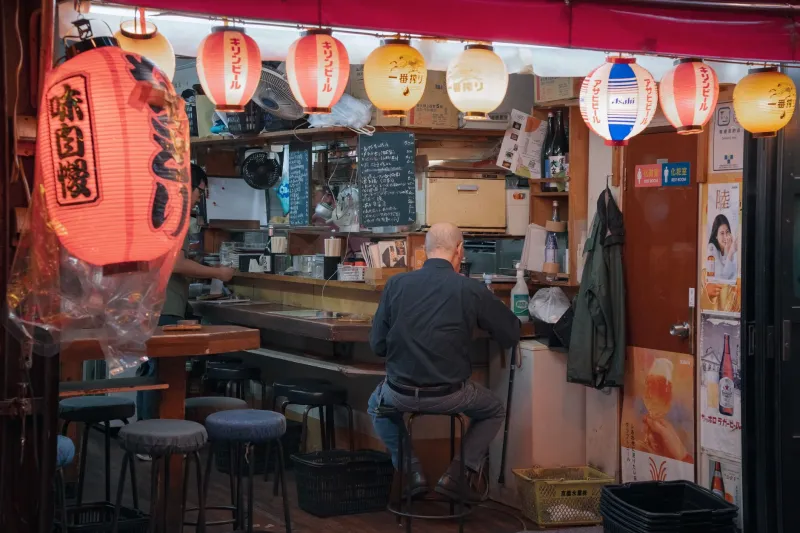
Tachikawa's live music spots tend to be intimate — we're talking 80 to 150 capacity for most of them, which is either a limitation or a feature depending on how you think about live music. For the people who show up to these shows, it's very much the latter.
Several venues in the area have developed distinct identities that attract specific corners of the music community. One space near the station leans toward noise rock and experimental acts, with a sound system that's been upgraded by someone who clearly cares about low-end frequencies. Another, a bit further from the main drag, runs a rotating residency format that gives emerging artists multiple nights to develop their stage presence rather than burning everything on one high-stakes showcase.
What's consistent across most of them is the vibe: unpretentious, genuinely enthusiastic crowds, and bar prices that don't make you calculate whether the show is "worth it" before ordering a second drink. For American visitors used to paying $15 for a domestic beer at a Brooklyn venue, this part alone might feel revolutionary.
The Record Shop Underground
You can't talk about Tachikawa's music scene without getting into the physical media culture that supports it. Independent record shops here aren't surviving on nostalgia alone — they're active participants in the local music ecosystem, stocking releases from local bands, hosting in-store events, and functioning as informal community centers for people who care deeply about sound.
Several shops in the area specialize in genres that don't get a lot of retail space anywhere: Japanese hardcore from the '80s and '90s, city pop deep cuts that go well beyond the Mariya Takeuchi tracks that blew up on YouTube, ambient and electronic stuff that sits in the cracks between genre labels. For American record collectors, a few hours in these shops can be genuinely life-changing for the collection.
The staff at these places tend to be musicians themselves, which means the recommendations are real. Tell them what you're into and they'll pull things out from behind the counter that you'd never find on a streaming algorithm.
The Studio Network
Under the surface of the live shows and record shops is a network of small recording and rehearsal studios that forms the actual backbone of Tachikawa's music culture. These aren't fancy facilities — most of them are practical, well-maintained rooms with decent gear and hourly rates that don't require a label budget to access.
Some of the more interesting ones have started functioning as incubators in a loose sense, with studio owners actively connecting bands that share equipment needs or booking them onto the same bills. It's informal and unintentional in the best way — the kind of community infrastructure that grows naturally when the right people are in proximity to each other.
"We never planned to become a hub for anything," admits one studio manager who's watched his booking calendar fill up with acts from outside Tachikawa. "We just kept the rates reasonable and the equipment working. The rest happened on its own."
How to Actually Experience It
For visitors wanting to tap into this scene, the best approach is to arrive with flexibility and low expectations — in the best possible sense. The shows worth seeing in Tachikawa aren't the ones with advance ticket sales and social media campaigns. They're the ones on flyers taped to a record shop counter, or mentioned in passing by the person selling you a used LP.
Check venue social media accounts in the week before your visit. Show up early enough to catch the opening act. Talk to people. The scene is welcoming to genuine outsiders — the key word being "genuine."
And if you find yourself at a show, in a small room, watching a band you've never heard of absolutely destroy a crowd of 60 people who know every word — that's Tachikawa doing exactly what it does best.