Quarters, Takoyaki, and 4K Screens: Why Tachikawa's Arcades Are the Future of Social Gaming

Photo by Photo by Jezael Melgoza on Unsplash on Unsplash
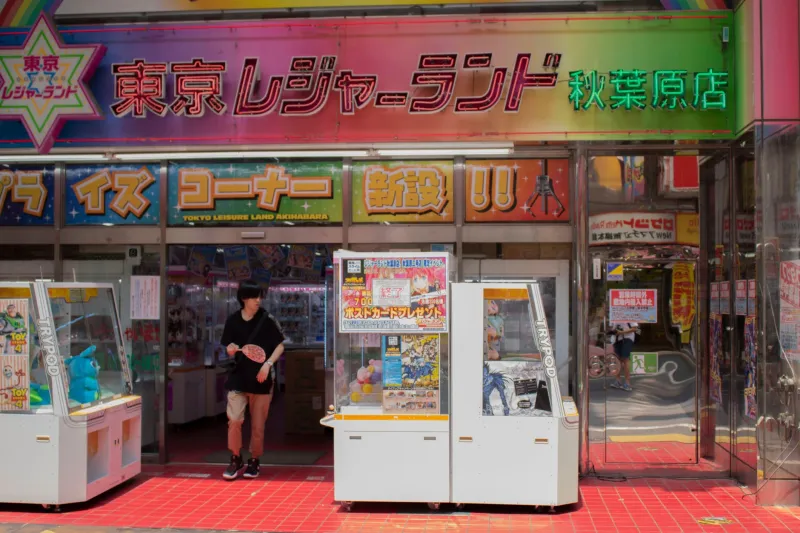
Walk into almost any entertainment complex in Tachikawa on a Friday night and you'll hit a wall of sound — button mashing, cabinet music layered on top of cabinet music, and somewhere underneath it all, the faint sizzle of octopus dough balls cooking on a griddle just outside the entrance. That combination, gaming and food culture colliding in real time, isn't accidental. It's basically the entire philosophy.
While American arcades spent the 2010s either closing down or reinventing themselves as Dave & Buster's-style bar hybrids, Japan's arcade culture took a different road. Tachikawa, sitting about 30 minutes west of Shinjuku on the Chuo Line, became one of the clearest examples of what that road looks like when it actually works.
Not Your Childhood Chuck E. Cheese
Let's get one thing straight: these aren't nostalgia traps. Yes, you'll find classic cabinets — Tekken, Street Fighter, some beautifully maintained Sega titles from the early 2000s — but they're sitting right next to rhythm game setups with haptic feedback floors, crane game towers stocked with this season's most coveted anime figures, and dedicated esports stations running at specs that would embarrass a lot of American gaming PCs.
Shoppers who wander into Tachikawa's multi-floor entertainment complexes expecting dusty joysticks and broken air hockey tables tend to do a double take. The lighting is deliberate. The sound design is curated. And the crowds are genuinely mixed — teenagers grinding ranked matches on fighting game cabinets, couples competing at co-op rhythm games, older salarymen quietly dominating mahjong machines in a corner that somehow feels completely separate from everything else happening around them.
One arcade floor manager — who asked to be identified only as Kenji — described the approach simply: "We think about the whole visit, not just the game. If someone is hungry or tired, they leave. So we make sure they don't have a reason to leave."
The Food Is Not a Side Note
This is the part American gaming venues consistently underestimate. In Tachikawa, the food culture wrapped around arcade spaces isn't an afterthought — it's load-bearing infrastructure.
Takoyaki vendors set up near arcade entrances aren't there by coincidence. The smell alone is a draw, pulling in foot traffic from the surrounding shopping streets. But more than that, having hot food available creates a natural rhythm to the evening. Players take breaks, eat, talk about what they just played or what they're about to play, and then go back in. It extends dwell time without anyone feeling like they're being kept there. It's social architecture disguised as snack food.
Beyond takoyaki, it's common to find ramen counters, taiyaki stands, and convenience store outposts integrated into or immediately adjacent to gaming floors. Some larger complexes have gone further, building full sit-down dining sections where you can watch esports matches on mounted screens while eating a proper meal. The boundary between "gaming space" and "dining space" is intentionally blurry.
For American visitors used to vending machines and overpriced nachos, this integration feels almost radical.
Retro Nostalgia Meets Competitive Infrastructure
One of the more interesting tensions inside Tachikawa's arcade scene is how it holds two different gaming cultures at once without either one crowding out the other.
On one hand, there's genuine reverence for older titles. Cabinets from the '90s and early 2000s are maintained with care, and there's a whole community of players who show up specifically to run sets on classic fighting games. These aren't people playing ironically. They're serious, and the arcades respect that by keeping the machines in actual working condition — something that sounds obvious but is genuinely rare.
On the other hand, the esports infrastructure here is real. Tachikawa hosts regional qualifiers for several major titles, and the arcade spaces that support these events have invested accordingly: stable internet connections, tournament-grade monitors, and staff who actually understand competitive formats. It's not just "we have a big screen and some chairs." It's purpose-built.
The coexistence works because the community itself is layered. Casual players aren't made to feel out of place near competitive setups, and serious competitors don't have to wade through kiddie game sections to get to where they want to be. The floor plans are thoughtful in a way that suggests someone spent real time thinking about traffic flow and social dynamics.
What American Gaming Venues Can Actually Learn
This isn't a "Japan does everything better" take — that's lazy and not really true. But there are specific, concrete things happening in Tachikawa's arcade spaces that American gaming culture could genuinely benefit from studying.
First: community over consumption. The goal in these spaces isn't to extract maximum spend per visit. It's to make the space somewhere people want to return to. That shift in priority changes almost every other decision downstream.
Second: physical space as a social catalyst. American gaming increasingly happens in isolation — solo at home, headset on, no one else in the room. Arcades in Tachikawa are explicitly designed to counteract that. You're meant to see other people playing, to feel the energy of a crowd reacting to a close match, to have the experience of being physically present with other people who care about the same things you do.
Third: food is part of the experience budget, not an afterthought. If you want people to stay and come back, make sure they're fed and comfortable. It's almost embarrassingly simple, but most American gaming venues still treat food as a revenue line item rather than a hospitality element.
For US fans planning a trip to Japan, Tachikawa's arcade floors are worth multiple visits — and worth going in with the intention of actually observing how the space functions, not just playing games. There's a whole design philosophy embedded in how these places are built, and it's more transferable than you might think.
Bring cash. Eat the takoyaki. Watch how the regulars move through the space. You'll come home with more than just a high score.