From Tachikawa Shop Shelves to American Living Rooms: The Collector's Economy Reshaping Anime Merch

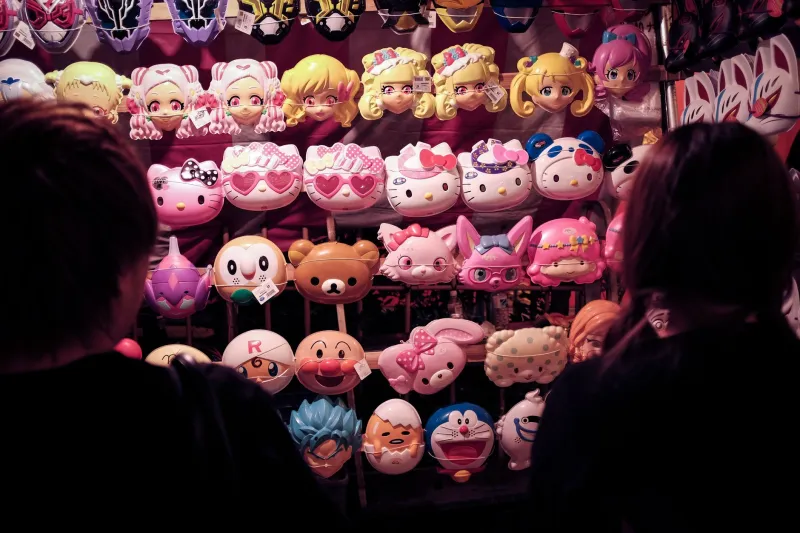
Photo by Photo by park jisu on Unsplash on Unsplash
Somewhere in a suburb outside Columbus, Ohio, there's a display case holding a 1/7 scale figure that retailed in Japan for around 18,000 yen — roughly $120 at the time of purchase — and is now valued by its owner at close to $400. He bought it through a proxy service from a specialty retailer in Tachikawa. He's never been to Japan. He probably knows more about that shop's restocking schedule than most people who live near it.
This isn't unusual anymore. It's a pattern playing out in apartments and houses across the US, driven by a generation of anime fans who grew up watching fansubs and are now adults with disposable income and highly specific taste in collectibles.
The Geography of the Source
Tachikawa doesn't get the same international name recognition as Akihabara, and that's honestly part of why collectors who know it tend to be protective of the information. The shops here — a mix of franchise outposts from major retailers and genuinely independent specialty stores — carry inventory that doesn't always make it to bigger tourist destinations. Regional exclusives, collaboration items tied to local events, and restocks of items that sold out elsewhere tend to surface in Tachikawa's retail ecosystem in ways that reward people who are paying attention.
For American collectors, "paying attention" usually means being deeply embedded in online communities. Discord servers, subreddits, and dedicated collector forums are where intelligence about what's available and where gets shared in real time. Someone posts a photo of a shelf in Tachikawa on a Tuesday afternoon, and by Wednesday morning, a dozen proxy service orders have gone in for the same item.
The community infrastructure supporting this kind of sourcing is genuinely sophisticated. It's not just "I found a thing and bought it." It's coordinated market intelligence operating at a scale that would impress anyone who studies retail economics.
How the Money Actually Flows
Let's talk about the actual mechanics, because they're more interesting than the simple narrative of "American fan buys Japanese thing."
Proxy services are the most common entry point. These are companies — many Japan-based, some US-based — that will purchase items on your behalf from Japanese retailers, handle domestic shipping within Japan, and then forward the package internationally. Fees vary, but a typical proxy transaction adds 10–20% to the base purchase price before international shipping is factored in. For a figure that retails at $80, you might end up paying $120–$140 landed.
That math only makes sense if the item is genuinely unavailable through US retail channels — which, for a significant portion of what serious collectors want, it is. The Western anime merchandise market has improved dramatically over the last decade, but it still lags behind Japan in terms of breadth, timeliness, and the availability of limited-edition or event-exclusive items.
Beyond proxies, there's a secondary resale layer. Some US-based resellers make actual trips to Japan — or have relationships with people who do — to source inventory specifically for resale. Tachikawa shops are part of that sourcing circuit. Items bought in-store for retail price get listed on eBay, Mercari, or dedicated collector marketplaces at significant markups. A figure that cost $100 in Tachikawa might list for $250–$350 in the US secondary market, depending on scarcity and demand.
This is where the economics get complicated, and where the collector community has genuinely mixed feelings.
Authentication: The Problem Nobody Wants to Talk About
The bootleg figure market is real, and it's gotten more sophisticated. For casual buyers, the difference between a legitimate Kotobukiya or Good Smile Company figure and a high-quality counterfeit can be genuinely difficult to spot from photos alone.
Sourcing from established shops in Tachikawa — as opposed to random online marketplaces — provides a meaningful layer of protection, which is part of why collectors with experience specifically seek out reputable physical retailers rather than just buying whatever is cheapest online. The reputation of a specific shop matters. Collectors share information about which retailers are trustworthy, and that reputation data circulates through the same community channels that distribute sourcing intelligence.
Still, authentication remains a persistent challenge once items enter the secondary market. A figure that was legitimately purchased from a verified Tachikawa retailer can be resold multiple times before it reaches a US buyer, and provenance gets murky. Some collectors have invested in UV lights and reference guides to check manufacturing details. Others rely on community expertise — posting photos to collector groups and asking for opinions before completing a purchase.
It's an imperfect system, but it's the one that exists.
The Small Retailer Relationship
Here's something that gets lost in conversations about the collector economy: American fans spending money through proxy services and sourcing networks are, in a real and direct way, supporting small independent Japanese retailers.
The large franchise stores in Tachikawa can absorb fluctuating demand without much trouble. But the smaller specialty shops — the ones that stock niche items, maintain relationships with specific manufacturers, and curate their inventory with genuine care — depend on consistent sales volume. International demand, even when it arrives through indirect channels, contributes to that volume.
Several collectors who've actually visited Tachikawa describe a noticeable warmth from shop staff when it becomes clear they've come specifically because of the shop's reputation in overseas communities. It's a small thing, but it reflects a real economic relationship that benefits both sides.
Building a Collection That Means Something
For the most dedicated American collectors, this isn't really about investment value — though the numbers can get serious. It's about curation. Having a shelf that reflects genuine knowledge of the source material, the manufacturers, the limited-run history of specific items — that's the actual goal.
Tachikawa, as a sourcing location, carries a certain credibility in collector circles precisely because it requires effort to access. Items that came from there, through legitimate channels, with verifiable provenance, carry a kind of story that a mass-market Amazon purchase simply doesn't.
That story is part of what's being collected. And for fans who've built their entire relationship with Japanese pop culture through screens and shipping boxes, it's a meaningful connection to a place they may not have visited yet — but probably plan to.