Anime Pilgrimages Are Real Travel Now — And American Fans Are Leading the Charge
Standing Where the Story Happened
There's a moment that every anime pilgrim describes in almost identical terms, regardless of which show brought them to Japan or which city they ended up in. You've seen this street corner, this train station, this hillside view, rendered in animation hundreds of times. You know every line of it. And then you're standing there in real life, and it hits you in a way that's genuinely hard to explain to people who haven't experienced it.
"I cried," admits Marcus, a 28-year-old from Chicago who traveled to Japan specifically to visit locations featured in a beloved slice-of-life series. "I'm not even embarrassed about it. I'd watched that show during a really hard time in my life, and being there felt like — I don't know, like closing a loop."
This is anime pilgrimage tourism, and it's no longer a fringe phenomenon. What began as a quietly passionate practice among dedicated superfans has grown into a recognized, economically significant travel category — one that's reshaping how some Japanese cities and towns think about tourism entirely.
From Niche to Movement
The concept of seichi junrei — sacred place pilgrimage — has roots in Japanese fan culture going back decades, but it's accelerated dramatically in the streaming era. When a show becomes globally available the moment it airs, its cultural footprint expands just as fast. American fans aren't discovering beloved series years after the fact anymore; they're watching in real time, building emotional connections simultaneously with Japanese audiences, and increasingly making the same pilgrimages.
The numbers reflect this shift. Japan's tourism boards have reported measurable upticks in visitors to locations featured in popular anime, and fan-organized travel groups have proliferated across every major social platform. Subreddits dedicated to pilgrimage planning regularly hit the front page. TikTok accounts documenting real-location visits rack up millions of views. Travel agencies in both the US and Japan have started offering curated anime tourism packages that would have seemed absurdly niche five years ago.
What's driving it? Partly the shows themselves — modern anime is often animated with extraordinary location fidelity, using real Japanese towns and landmarks as direct visual references. But it's also something deeper: a generation of fans who grew up with these stories and are now old enough, financially stable enough, and motivated enough to turn emotional connection into physical travel.
The Economics of Fandom Geography
For the destinations themselves, anime tourism has become genuinely significant revenue. Small towns that happened to serve as the visual inspiration for a hit series have seen dramatic increases in foot traffic, with local businesses — from restaurants to souvenir shops — adapting to cater to pilgrim visitors.
The pattern is consistent enough that Japanese municipalities have started actively courting anime productions, hoping to become the next destination that inspires a devoted fanbase. It's a remarkable inversion of traditional tourism marketing: instead of advertising a place's existing attractions, you're hoping a fictional story will create the attraction for you.
For American fans, this creates an interesting travel dynamic. The most famous pilgrimage sites — locations tied to landmark series — can be genuinely crowded, particularly during peak travel seasons. But the ecosystem of anime-adjacent destinations, places that exist within the broader culture rather than as specific show locations, offers a different kind of experience.
Where Tachikawa Fits In
This is where a destination like Tachikawa becomes particularly compelling for the American fan traveler. Rather than a single-show pilgrimage site that you visit, photograph, and check off a list, Tachikawa represents something more like an immersive cultural destination — a place where the entire atmosphere is shaped by the same sensibilities that produce the shows you love.
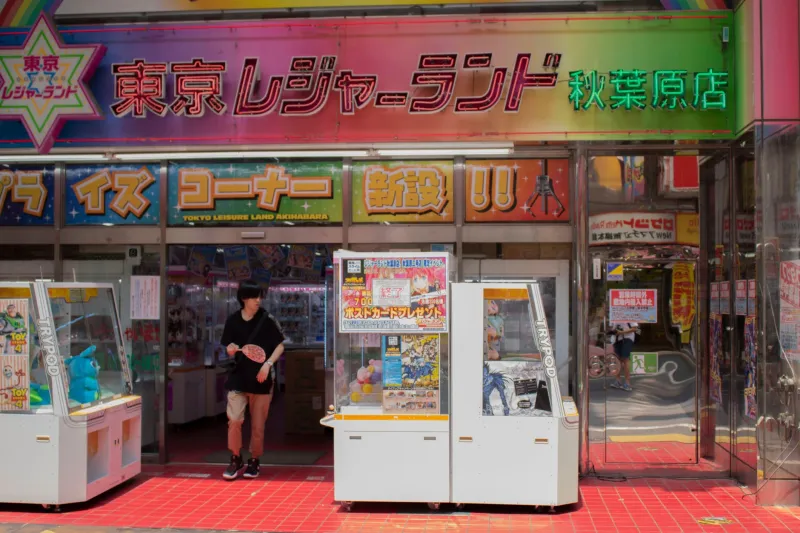
The arcades, the collector shops, the community venues, the density of people who care deeply about the same things you care about — it's not a backdrop for a specific story, it's a living expression of the culture that creates those stories. For many American fans, that's actually a more satisfying experience than standing in front of a famous staircase or a recognizable bridge.
"I did the pilgrimage sites on my first trip," says Danielle, a 31-year-old from Austin who has now visited Japan three times. "They were amazing and I'm glad I did them. But the second and third trips, I spent more time in places like Tachikawa. That's where I felt like I actually understood something about why these shows exist."
AniCan Tachikawa has become a particular touchstone for American visitors making this kind of trip — a place that synthesizes the gaming, anime, and pop culture experiences that define the broader scene into a single, accessible venue.
Planning Your Own Pop Culture Journey
If you're thinking about making the trip, a few practical considerations will make the experience significantly smoother.
Start with the JR Pass math. The Chuo Line connects Tachikawa directly to Shinjuku in about 30-40 minutes, making it a straightforward base for exploring both western Tokyo's otaku destinations and the city center. A 14-day JR Pass covers this and a lot more.
Join the community before you go. Reddit's r/animepigrimage and various Discord servers focused on Japan travel for fans are invaluable resources. People share current shop recommendations, warn about closures, and often organize meetups for overlapping travel dates. Going in with a community connection transforms a solo trip into something much richer.
Budget more than you think. This is not negotiable advice. Every American fan who has done this trip has a story about catastrophically underestimating how much they'd spend in retro shops and crane game arcades. Set a realistic number, then add 30 percent.
Go slow. The temptation is to pack in as many locations as possible, but the best experiences in places like Tachikawa come from spending real time — returning to the same arcade two or three evenings in a row, becoming a familiar face in a shop, having actual conversations rather than quick transactions.
Anime pilgrimage tourism isn't going anywhere. If anything, it's going to keep growing as the global fanbase matures and the emotional stakes of these stories deepen across generations. The question isn't whether to make the trip. It's when — and whether you're ready to have your heart broken open by a staircase you've only ever seen in animation.