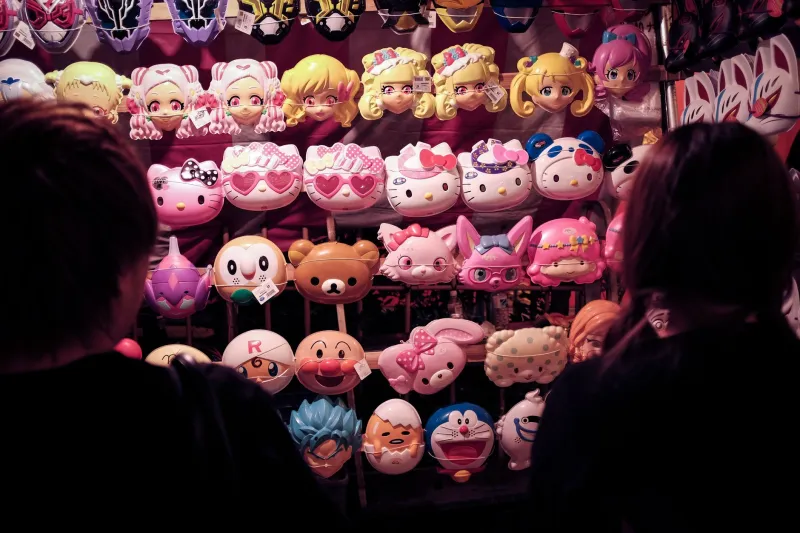
Beyond Akihabara: How Tachikawa Quietly Became Japan's Most Exciting Otaku Destination
The City That Snuck Up on Everyone
Ask most American anime fans to name Japan's pop culture hotspots and you'll get the same short list every time: Akihabara, Den Den Town in Osaka, maybe Nakano Broadway if they've done their research. Tachikawa almost never makes the cut — and that's exactly why it's become something special.
Situated about 25 miles west of central Tokyo on the Chuo Line, Tachikawa has spent the last two decades quietly doing its own thing. No massive tourist infrastructure. No English-language guided tours. Just a genuine, grassroots community of gamers, collectors, and anime obsessives who built a scene because they loved it — not because a travel magazine told them to.
"People come here and they're surprised," says Kenji, who runs a retro game shop tucked into a covered shopping arcade near Tachikawa Station. "They expect Akihabara. But this is different. This is more like a neighborhood."
He's right. Walking through Tachikawa's entertainment corridors feels less like navigating a theme park and more like stumbling into someone's incredibly well-curated basement. The energy is quieter, more focused. Regulars know each other. Shop owners remember your face.
Arcade Culture That Never Died
One of Tachikawa's biggest draws is its arcade scene, which has held on in ways that would make a Western gaming historian emotional. While arcades in the US essentially collapsed in the early 2000s, Japan kept the flame alive — and Tachikawa kept it burning especially bright.
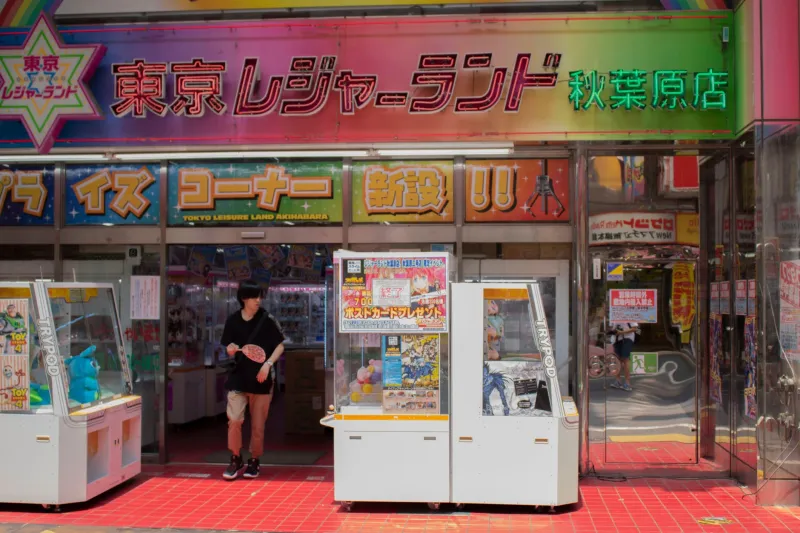
The arcades here aren't novelty attractions. They're functioning social hubs where competitive players grind ranked matches in fighting games, rhythm game enthusiasts chase perfect scores on maimai and Sound Voltex, and crane game devotees strategize over limited-edition prize figures. On any given Friday evening, you'll find people of all ages crowded around cabinets, not because it's retro-cool, but because this is genuinely how people here have fun.
For American visitors, the experience can be a little overwhelming at first — in the best possible way. The sheer density of machines, the sound design layered across multiple floors, the sight of someone absolutely destroying a Tekken cabinet with the kind of casual mastery that comes from years of daily practice. It's humbling. It's thrilling. It's the kind of thing that reminds you why you fell in love with gaming in the first place.
The Retro Shop Ecosystem
If the arcades are Tachikawa's heartbeat, the retro game and collectible shops are its soul. The area has developed a surprisingly dense network of secondhand game stores, figure shops, and doujinshi outlets that cater to collectors who know what they're looking for.
Unlike the more commercially polished shops in Akihabara — where prices have climbed alongside tourism — Tachikawa's retro scene still operates with the energy of a genuine collector's market. You can flip through bins of Super Famicom cartridges, find loose Dreamcast games in surprisingly good condition, or stumble across a first-press manga volume that's been sitting on a shelf for fifteen years waiting for the right person.
Sarah, a fan from Portland who made Tachikawa her base during a two-week Japan trip, described the experience this way: "I budgeted a certain amount for shopping and completely blew it in the first three days. Not because things were expensive — actually the opposite. I just kept finding stuff I'd been looking for forever. It felt like real hunting, not just buying."
That sense of discovery is something Tachikawa's shop owners seem to protect deliberately. Several told us they intentionally keep their curation personal and eclectic rather than chasing trending items. The result is a shopping experience that rewards patience and genuine knowledge.
Small Venues, Big Atmosphere
Beyond shopping and arcades, Tachikawa has developed a network of smaller venues — event spaces, themed cafés, and community game rooms — that give the area a living, breathing quality that static retail districts often lack. These are places where fans gather for game tournaments, anime screening nights, and figure-painting workshops.
AniCan Tachikawa sits right at the center of this energy, offering a space where the lines between entertainment, community, and culture blur in the most satisfying way. It's the kind of venue that makes sense in Tachikawa specifically because the city has cultivated the audience for it — people who want more than just consumption, who want participation.
Why This Matters for American Fans
For US visitors, Tachikawa offers something the major tourist destinations genuinely can't: the experience of Japanese pop culture as it actually lives, rather than as it's packaged for export. The fans here aren't performing enthusiasm for a camera. They're just doing what they do.
There's also a practical angle. Tachikawa is significantly less crowded than Akihabara, prices tend to be more reasonable, and the Chuo Line makes it an easy day trip — or better yet, a home base — for anyone exploring the greater Tokyo area. Hotels are more affordable, lines are shorter, and you're far less likely to spend twenty minutes navigating a crowd just to get into a store.
The word is starting to get out. American fan communities on Reddit and Discord have been sharing Tachikawa recommendations with increasing frequency over the past couple of years, and the trickle of international visitors has been growing noticeably. But the scene still feels intimate. Still feels real.
Get there before everyone else figures it out.