Forget the Tourist Traps: Why Tachikawa's Anime Scene Hits Different
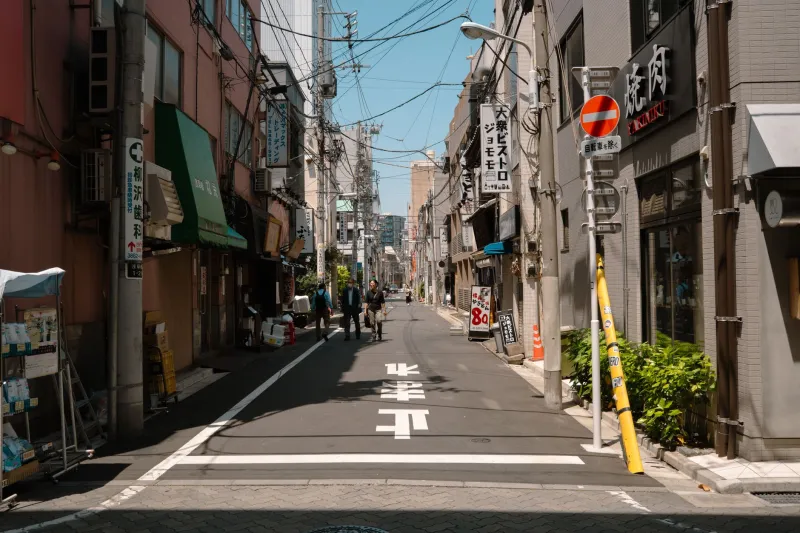
There's a moment every anime fan who visits Tachikawa describes almost identically. You're in a local shop, maybe flipping through doujinshi or eyeing a shelf of limited-run figures, and someone — a local, not a tour guide — just starts talking to you. Not a sales pitch. Not a scripted welcome. Just a genuine conversation about a shared obsession. That moment doesn't happen in Akihabara anymore, at least not reliably. In Tachikawa, it's practically the default setting.
Something is shifting in how American anime fans think about travel to Japan. The old pilgrimage — land at Narita, beeline to Akihabara, photograph everything, buy the expensive stuff, repeat — is losing its appeal. In its place, a more intentional kind of fan tourism is emerging, and Tachikawa sits right at the center of it.
The Problem With Oversaturation
Akihabara is incredible. Nobody's here to trash it. But there's a real cost to becoming the world's most famous anime destination: you eventually stop serving the fans who made you famous and start serving the idea of yourself.
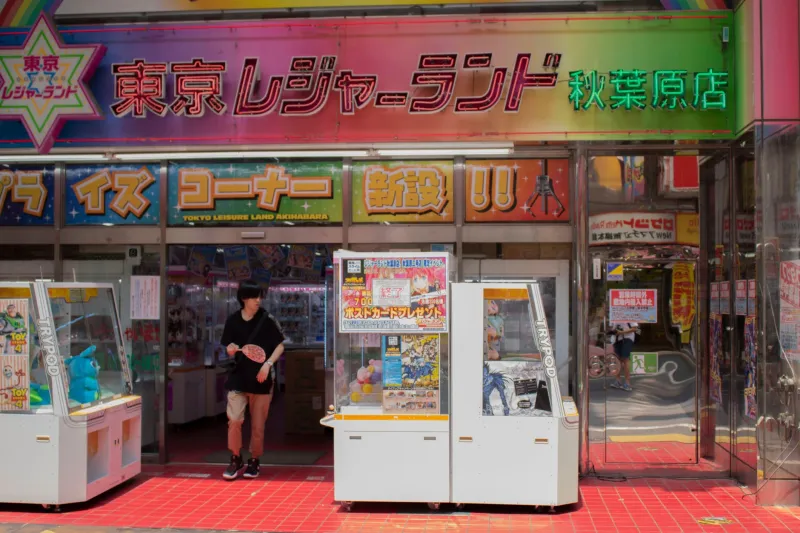
Walk through Akihabara on a Saturday afternoon and you'll find as many people photographing the neon signs for Instagram as you will people who actually know what's inside the shops. Tour buses idle at the curb. Prices in the most prominent stores have quietly crept up to match international demand. The neighborhood is performing anime culture as much as it's living it.
Tachikawa doesn't have that problem — at least not yet — and the city seems aware enough of the risk to actively resist it. Local venue operators, independent retailers, and event organizers have been deliberate about keeping their programming community-first. Events are announced through local channels before they hit international social media. Collaborations with artists and creators tend to prioritize ongoing relationships over one-time promotional splashes. The result is an ecosystem that still feels like it belongs to the people who built it.
Grassroots Doesn't Mean Small
Here's the thing that surprises a lot of American visitors: Tachikawa isn't some hidden village. It's a major city in the Tokyo Metropolitan area with serious infrastructure — great train access, a thriving commercial district, and a population that takes entertainment seriously. The grassroots quality of its anime scene isn't about being small. It's about being intentional.
Local creators — illustrators, game designers, cosplay craftspeople — maintain visible presences in the community. Pop-up exhibitions aren't afterthoughts; they're often the main event. When a new collaboration drops between a Tachikawa venue and an indie creator, it tends to feel earned rather than manufactured, because the relationships behind it are real and ongoing.
For American fans, this is genuinely new territory. We're used to fan culture that gets mediated through convention booths, publisher announcements, and social media algorithms. The idea that you could just show up somewhere and find yourself in the middle of a living creative community — not a curated version of one — is almost disorienting at first. Then it becomes the whole point of the trip.
The Economics of Authenticity
There's a financial logic driving this shift too, and it's worth being honest about it. Anime merchandise in Tachikawa — particularly pieces tied to local artists or limited regional releases — holds its value differently than mass-market goods. American collectors have started to notice.
Items that originate from genuine community events, artist collaborations, or venue-specific releases carry a provenance that mass-produced merch simply can't replicate. A figure or art print that came from a specific pop-up in Tachikawa, tied to a specific creator at a specific moment, tells a story. That story has value in collector communities stateside, and savvy fans are factoring it into their travel decisions.
This isn't just about resale potential — though that's part of it. It's about the experience of acquisition mattering as much as the object itself. When American fans post their Tachikawa hauls online, the context is part of the flex. Where you got it, how you found it, who you talked to along the way — all of that travels back home with the merch.
What American Fans Are Actually Looking For
Spend any time in fan communities on Reddit, Discord, or TikTok and a clear picture emerges of what American anime tourists actually want from a Japan trip in 2024. It's not just product. It's not even just proximity to Japanese culture in a general sense. It's connection — to creators, to local fan communities, to something that feels like it exists beyond the transaction.
Tachikawa delivers on that in ways that are hard to engineer. The city's venues — gaming centers, specialty shops, event spaces — tend to have regulars. Actual regulars, not just returning tourists. When you walk into a place and find that it has a community of people who come back week after week, you're experiencing something qualitatively different from a destination built to receive visitors.
American fans are increasingly fluent enough in Japanese pop culture to recognize the difference between a venue that's for fans and one that's for tourists who like the idea of being fans. Tachikawa skews hard toward the former, and word has gotten out.
The Long Game
The Tachikawa Effect, if we're naming it, is really just what happens when a city takes its fan culture seriously without trying to monetize the authenticity out of it. That's a harder balance to maintain than it sounds — especially as international attention grows — but so far, the city seems to be threading the needle.
For American fans planning their first or fifth trip to Japan, Tachikawa is increasingly a must-add rather than a maybe. Not because it's undiscovered — it isn't — but because what it offers is genuinely different from anything else on the itinerary. You leave with stuff, sure. But more than that, you leave with the feeling that you were actually somewhere, not just passing through a version of somewhere built for people like you.
That feeling is getting harder to find. Tachikawa still has it. Go while it lasts.