Sub vs. Dub Was Never Really About Audio — And Streaming Just Proved It
Let's be honest: the sub vs. dub debate was never really about audio quality. It was always about authenticity — who gets to decide what a character sounds like, and whether something gets lost when a performance crosses a language barrier. American fans have been arguing about this since the VHS days, but for most of that time, the argument was kind of abstract. You either had access to the Japanese audio or you didn't, and your opinion formed accordingly.
Streaming changed that. And now, a conversation that Japan's anime community has been having for years — about the craft of voice acting, the cultural weight of a performance, and what localization actually owes an audience — is finally happening in American fan spaces with real stakes attached.
What Seiyuu Culture Actually Is
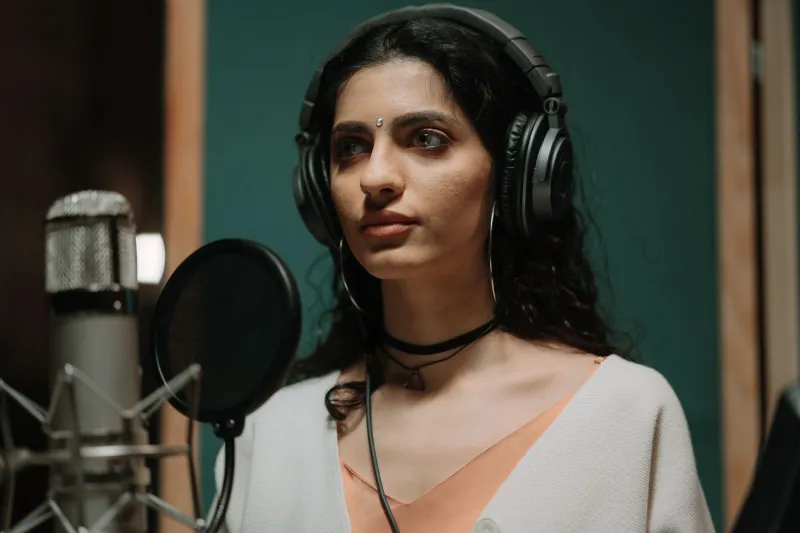
In Japan, voice actors — seiyuu — are celebrities in their own right. Not in a niche way. We're talking sold-out live events, dedicated fan clubs, chart-topping music releases, and social media followings that rival on-screen talent. When a major anime announces its cast, the seiyuu attached to lead roles are part of the promotional story. Fans follow careers, track range, debate casting choices, and develop loyalties that span decades.
American fans have historically had limited access to this world. Dubbed anime typically credited voice actors, but the broader culture around English voice acting — while real and passionate — operated mostly in convention spaces and didn't carry the same mainstream cultural weight. You'd have your favorites, but the framework for thinking about voice performance as a craft unto itself wasn't really built into how American audiences consumed anime.
That's shifting fast.
The Streaming Acceleration
When Crunchyroll, Funimation, Netflix, and their competitors started competing aggressively for anime licensing, one of the side effects was a massive expansion of simulcast availability. American fans could now watch new episodes the same week — sometimes the same day — as Japanese audiences. For the first time, a significant chunk of the US fanbase was experiencing anime in Japanese with subtitles as the default, not as the enthusiast option.
That exposure had consequences. Fans who might have defaulted to dubs out of convenience started developing ears for Japanese performances. They started noticing the specific texture of a delivery, the way a particular seiyuu handles emotional climaxes, the character-specific vocal choices that don't always survive translation. And they started talking about it online with a vocabulary they hadn't really had before.
At the same time, streaming platforms began investing heavily in dub production to serve audiences who prefer it — including a lot of casual viewers who aren't going to read subtitles during dinner. The quality of English dubs has genuinely improved over the past decade. Some dub performances are now legitimately celebrated in their own right, with English voice actors developing the kind of dedicated followings that seiyuu have had in Japan for years.
So now you have two things happening simultaneously: a more seiyuu-literate American fanbase, and a higher-quality English dub ecosystem. The tension between those two developments is where the real conversation lives.
The Localization Question
Here's where it gets genuinely complicated. Localization — adapting a script for a new language and cultural context — isn't just translation. It's interpretation. A localizer has to make calls about how much cultural specificity to preserve, how to handle honorifics, whether to keep certain jokes intact or replace them with something that lands for an American audience, and how to balance lip-flap timing against natural-sounding dialogue.
For years, American fans who preferred subs would complain that dub scripts took too many liberties. Some of that criticism was fair. Some of it was overcorrected — purists holding localization to a standard of literal accuracy that would make any dub sound stilted. But the streaming era has raised the stakes on this conversation because now the comparison is always available. You can switch between audio tracks in two clicks. The gap, when it exists, is immediately audible.
English voice actors who work in anime dubbing are increasingly public about the challenges and constraints of the job. Recording to picture, working from translated scripts that may have gone through multiple rounds of adaptation, performing without the benefit of ensemble chemistry that Japanese casts develop in the booth together — it's a genuinely different craft environment. Some have spoken openly about wanting more creative latitude in the localization process. Others have pushed back on fan criticism that doesn't account for the structural differences between how English and Japanese dubs are produced.
Fandom as a Production Force
What's new — and genuinely interesting — is that fan preference is now a measurable input in production decisions. Streaming platforms track audio track selection data. They know whether subscribers are watching sub or dub, and they factor that into decisions about which titles get English dub productions, how quickly dubs get produced, and how much budget gets allocated to voice casting.
When a particularly passionate fan response — positive or negative — around a dub circulates on social media, it doesn't just stay in fandom. It reaches producers. It influences how future adaptations get approached. American fans now have a more direct line to shaping the product than they've ever had, and that's a significant shift from the era when you just accepted whatever VHS release showed up at Blockbuster.
Seiyuu themselves are becoming part of this feedback loop in new ways too. Japanese voice actors with active social media presences — and many of the biggest names are genuinely engaged online — have found international fanbases that follow them directly, not just through the characters they play. When American fans can watch a seiyuu's live stream, follow their music career, or see them interact with fans at an event, the abstraction of "the original Japanese voice" becomes a specific person with a specific artistry. That makes the localization question feel more personal.
Where This Goes From Here
The sub vs. dub debate isn't going away — it's getting more nuanced, which is actually progress. The fans who are most engaged with this conversation aren't trying to win an argument anymore. They're trying to figure out what they actually value in a performance, what localization can and can't preserve, and what it means to be a thoughtful consumer of a medium that's now genuinely global.
Venues and communities that take anime seriously — places where these conversations happen in person, where fans who've watched the same show in both languages can actually debate the specific choices — are where this evolution is most visible. The argument is better when it's happening between people who care about the craft, not just the outcome.
That's the conversation Japan started years ago. America's finally catching up. And honestly? It's making the whole fandom better for it.