Forget Harajuku: Tachikawa Is Where Tokyo's Real Creative Scene Lives Now
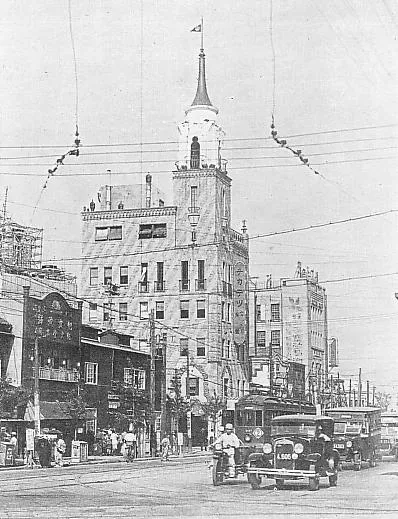
Photo: Unknown authorUnknown author, Public domain, via Wikimedia Commons
Anyone who's spent time in Tokyo knows the drill. You hit Harajuku for the fashion, Shimokitazawa for the vintage vibes, Shibuya when you want the full sensory overload. These neighborhoods have earned their reputations, no question. But spend enough time talking to actual working artists, musicians, and independent designers in the Tokyo metro area, and a different name keeps coming up: Tachikawa.
About 25 miles west of central Tokyo on the Chuo Line, Tachikawa has long been dismissed as a commuter town — a place people pass through on their way somewhere more interesting. That reputation is changing fast. Over the last several years, a genuinely scrappy, genuinely exciting creative district has been taking shape here, and the people building it have very specific reasons for picking this spot over anywhere else.
Rent You Can Actually Afford (And Space to Match)
Ask any artist why they moved to Tachikawa and the first answer is almost always practical. Studio space in central Tokyo is eye-wateringly expensive, and the square footage you get for your money shrinks every year. Tachikawa offers something increasingly rare in the greater Tokyo area: room to actually work.
Take illustrator and printmaker Yuki Hamada, who relocated her studio from Koenji three years ago. "In Koenji I had a space about the size of a walk-in closet," she says, laughing. "Here I have a proper studio with enough room for a large-format press and a separate area where I can meet with clients. The difference is enormous." Hamada's work — intricate, densely layered woodblock prints that blend traditional ukiyo-e techniques with sci-fi imagery — has found an international following through her Instagram account, and she credits the move to Tachikawa with letting her scale up her output significantly.
This pattern repeats across disciplines. Clothing designer Ryo Matsuda, who runs a small label focused on functional workwear with a distinctly Japanese aesthetic, moved his atelier to a converted warehouse space near Tachikawa Station two years ago. He now shares the building with a ceramicist, a graphic design studio, and a small independent publisher — an accidental creative cluster that's become genuinely collaborative. "We share equipment, we share clients sometimes, we go drinking together," Matsuda says. "It feels like a community in a way that's hard to find when everyone's isolated in their expensive little boxes across the city."
The Venues Doing Something Different
The music scene deserves its own conversation. While Shimokitazawa remains the undisputed capital of Tokyo's indie live music world, Tachikawa has developed a cluster of smaller venues that are doing genuinely interesting things — particularly in the overlap zones between electronic music, jazz, and experimental sound.
Spot 45, a basement venue near the south exit of Tachikawa Station, has built a reputation for booking acts that don't fit neatly into any genre box. On a given weekend you might catch a duo mixing koto with modular synthesizers, followed by a DJ set that draws equally from Detroit techno and Okinawan folk music. The sound system is exceptional, the cover charges are reasonable by Tokyo standards, and the crowd skews young, international, and genuinely curious rather than scenester-y.
"We don't have a genre policy," says the venue's booker, who goes by the name Taro. "Our policy is: is this person doing something we haven't heard before? That's it." It's a philosophy that's attracted a steady stream of overseas artists looking for performance opportunities outside the usual Tokyo circuit, and it's made Spot 45 a genuine word-of-mouth destination among music-obsessed travelers who know to look beyond the obvious.
Gallery spaces are multiplying too. GRID, a narrow storefront gallery that opened in a former electronics shop, focuses exclusively on emerging artists under 30 and rotates shows every three weeks. The aesthetic leans heavily into the kind of post-internet visual language that feels equally at home in Brooklyn or Seoul — lots of digital print, lots of text-as-image, lots of work that looks like it was designed to be photographed but rewards close looking in person. Admission is free, the opening parties are genuinely fun, and the gallery has already placed work with collectors in the US and Europe.
Design Shops Worth the Trip
For visitors who want to bring something home, Tachikawa's small independent retail scene offers a genuinely different experience from the curated-within-an-inch-of-its-life concept stores of Omotesando. These are shops run by people who are obsessed with specific things, and that obsession comes through in every item on the shelves.
Komorebi Goods is a personal favorite — a tiny shop specializing in Japanese stationery, tools, and paper goods that owner Sachiko Inoue sources directly from small manufacturers across Japan. The selection changes constantly based on what she's personally excited about, and she's genuinely happy to spend twenty minutes explaining the difference between two seemingly identical notebooks. It's the kind of retail experience that's basically extinct in American cities, and it's exactly the kind of thing that makes a detour to Tachikawa worthwhile.
A few blocks away, Ura-Mono (roughly translatable as "back-of-house goods") sells restaurant and kitchen equipment — the real stuff, the kind used in professional Japanese kitchens — alongside a carefully chosen selection of vintage Japanese ceramics. It's not a tourist shop. The clientele is mostly chefs and serious home cooks. But for food-obsessed American visitors, it's an extraordinary place to find tools and tableware that simply aren't available back home.
Why It Matters for International Visitors
Here's the honest pitch for making Tachikawa part of your Tokyo itinerary: the neighborhoods that show up in every guidebook are worth visiting, but they're also performing a version of themselves for an international audience. The prices reflect that, the crowds reflect that, and increasingly the actual creative energy has drifted somewhere less expensive and less observed.
Tachikawa isn't performing anything for anyone right now. It's just a place where interesting people are doing interesting work, and where the infrastructure to support that work — affordable space, a growing audience, an emerging sense of community — is falling into place in real time. Getting there while it still feels like a discovery is, frankly, the move.
The Chuo Line runs direct from Shinjuku in about 35 minutes. Go on a weekend, wander south of the station, and see what you find. The best stuff, as always, won't be on any map.