Copy and Paste Won't Cut It: Why American Anime Venues Keep Missing What Tachikawa Already Has
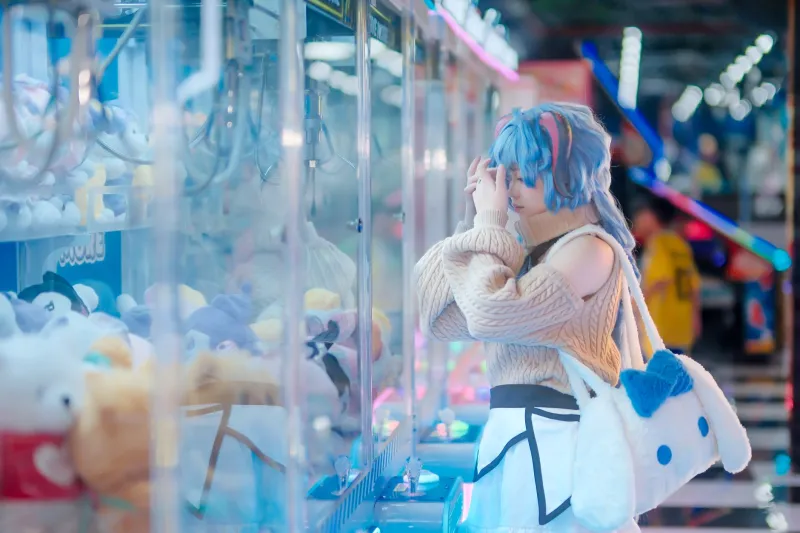
Walk into almost any new anime-themed entertainment venue in an American city and you'll recognize the checklist. Neon signage with katakana. A wall of claw machines stocked with recognizable plushies. A menu that includes at least one item named after a popular character. Arcade cabinets running rhythm games. Maybe a dedicated cosplay photo corner with a backdrop that looks vaguely like an isekai forest.
It's not bad. Some of it is genuinely fun. But spend any real time in Tachikawa — in its actual arcades, its manga cafés, its pop culture shops, its public spaces where fans just exist without it being a production — and the difference becomes hard to ignore. American anime venues feel like they were built for people who like anime. Tachikawa feels like it was built by people who live inside it.
That gap is wider than it looks, and it's not closing as fast as investors and city planners seem to hope.
What American Cities Are Actually Building
The past few years have seen a real surge in anime-adjacent commercial ventures across the US. Los Angeles, New York, Chicago, Houston, Seattle — most major metros now have at least one dedicated space positioning itself as a destination for the anime and gaming crowd. Some are standalone venues. Others are anchors in broader "entertainment districts" that city planners hope will attract the same demographic energy that anime cons generate, but on a permanent basis.
The investment is serious. These aren't fan-run operations out of strip malls (though those exist too, and sometimes they're great). We're talking about multi-million dollar buildouts with professional interior design, licensing deals with major studios, and PR campaigns that lean heavily on the word "immersive."
And some of them are doing well by conventional metrics. Foot traffic on weekends, social media engagement, merchandise revenue — the numbers can look solid, especially around convention season or when a new major title drops.
But there's a persistent ceiling. The venues generate excitement, but they don't generate the kind of sustained, habitual community engagement that makes a place feel genuinely alive to its audience. People visit. They don't necessarily return, and they don't necessarily feel like they belong there in the way that Tachikawa regulars clearly do.
The Organic vs. the Engineered
Here's the core problem with the replication approach: Tachikawa didn't set out to become an anime destination. It became one gradually, through a combination of geography, demographics, venue density, and the slow accumulation of a community that chose to be there.
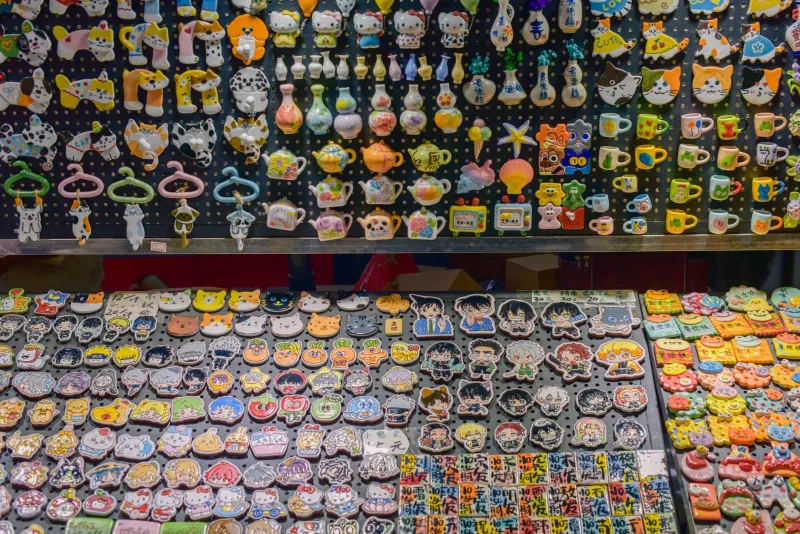
The city's proximity to Tokyo makes it accessible without being swallowed by the capital's overwhelming scale. Its arcade culture developed over decades, not as a theme park attraction but as genuine social infrastructure for the people who lived nearby. The manga cafés exist because people needed a place to sit, read, and be left alone — not because a developer decided manga cafés were on-trend. The shops that carry obscure merchandise carry it because their owners are fans who know what their regulars actually want.
None of that can be engineered from the outside in. You can't replicate thirty years of community formation with a capital investment and a good interior designer.
American venues are, almost by definition, starting from scratch. They're building the infrastructure and hoping the community follows. Sometimes it does, to a degree. But the community that forms around a purpose-built anime district is always going to feel different from one that built the district itself.
What the Good Ones Are Getting Right
This isn't a blanket dismissal. Some American attempts at anime-friendly spaces are doing genuinely interesting things, and it's worth acknowledging where the model is working.
The best American venues tend to share a few characteristics. They're embedded in existing communities rather than dropped into them. They're run by people who are actually part of the fandom, not just investors who identified a market. They leave room for the community to shape the space over time — regular events that evolve based on what attendees actually want, staff who know the regulars by name, a willingness to carry inventory that doesn't always make commercial sense but matters to the people who care.
Smaller cities are sometimes doing this better than major metros. A dedicated arcade bar in a mid-size college town with a strong anime club culture can develop genuine community identity faster than a polished flagship venue in a city where the fandom is diffuse and the rent is astronomical.
The lesson from those successes isn't that scale doesn't matter — it's that authenticity has to come first, and authenticity is built by the people who use the space, not the people who built it.
What Tachikawa Has That Can't Be Packaged
Spend enough time talking to American fans who've visited Tachikawa — and increasingly, there are a lot of them — and a specific theme emerges in how they describe what makes it different.
It's not the selection, though the selection is excellent. It's not the technology, though the arcades are genuinely impressive. It's not even the atmosphere, though the atmosphere is real.
It's that nobody is performing. The fans who are there aren't there because it's a destination. They're there because it's Tuesday and this is where they go. The shops aren't curated for tourists. The café staff aren't trained to be enthusiastic about anime — they just are. The whole ecosystem exists at a frequency that feels genuinely inhabited rather than staged.
That quality — call it density of authentic participation — is what American venues are trying to synthesize and can't quite reach. Not yet, anyway.
Maybe the more honest goal for American anime spaces isn't to replicate Tachikawa but to give their own communities the infrastructure to build something equivalent over time. Tachikawa didn't become Tachikawa in a single fiscal year. It became what it is because the people who cared about it kept showing up, kept spending money, kept making it their place.
The template isn't a blueprint. It's a proof of concept. And the proof is that when a city and a community actually grow together around this culture, the result is something worth flying across an ocean to experience.