Bootleg Nation: The Counterfeit Anime Merch Crisis at American Cons — and Why Tachikawa Is the Antidote
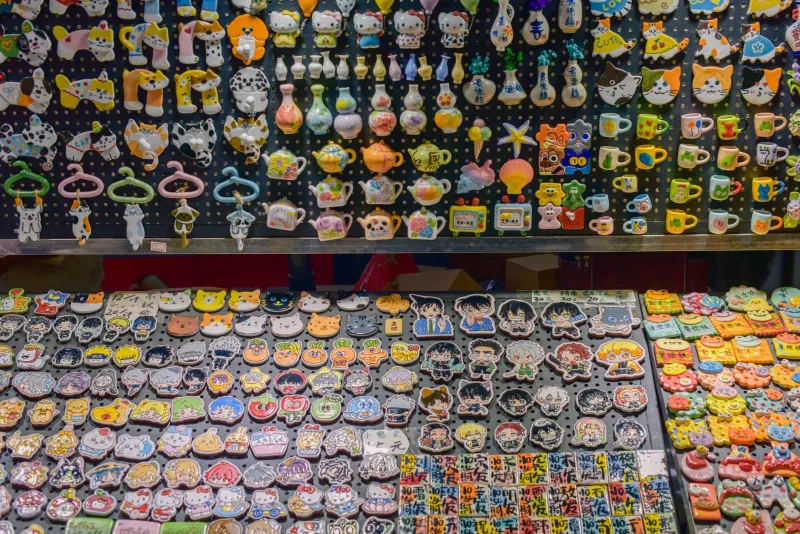
Marcus H. spent $340 at a mid-sized anime convention in the Midwest last spring. He walked away with what he believed were two limited-edition figures, a set of enamel pins, and an art book from a popular shonen franchise. By the time he got home and started comparing his haul to photos posted by other collectors online, the sinking feeling had already set in. The figures had slightly off-color paint applications. The pins had rough edges where the enamel hadn't filled cleanly. The art book's paper stock felt wrong — thinner, cheaper, with colors that looked slightly washed out compared to official scans.
He'd been sold counterfeits. Every single item.
"The worst part," Marcus told us, "is that the vendor seemed totally legitimate. Nice booth setup, professional signage, even a Square reader for card payments. Nothing about it screamed fake."
Marcus is not alone, and his story is becoming disturbingly common.
How Bad Has It Gotten?
The counterfeit anime merchandise problem at American conventions has escalated sharply over the past several years, tracking closely with the genre's mainstream explosion. When Demon Slayer, Jujutsu Kaisen, and My Hero Academia broke into mass-market consciousness, demand for merchandise outpaced legitimate supply chains. That gap is where counterfeiters live.
US Customs and Border Protection data shows a consistent increase in seized shipments of counterfeit entertainment merchandise, with a notable spike in items originating from manufacturing hubs that supply convention-circuit vendors. The figures are likely undercounts — enforcement resources are finite, and the sheer volume of small-parcel imports makes comprehensive screening impractical.
Convention organizers occupy an uncomfortable middle position. Most major events include anti-counterfeiting language in their vendor contracts, but enforcement on the floor is inconsistent at best. Verifying authenticity requires expertise that general convention staff simply don't have. And vendors who've invested in booth space aren't going to volunteer that their product is fake.
Japanese licensees and their American distribution partners have begun pushing back more aggressively. Several major studios have issued formal statements urging fans to purchase only from verified retailers, and at least two have retained US legal counsel specifically to pursue convention-circuit counterfeit cases. But litigation is slow, conventions happen every weekend across the country, and the economics still favor the fakers.
Spotting the Fake: What Collectors Have Learned the Hard Way
The collector community has developed an informal but increasingly sophisticated body of knowledge around spotting counterfeits. Some of it is technical — weight differences in figures, specific printing characteristics of official art books, the way legitimate enamel pins feel in the hand versus mass-produced knockoffs. Some of it is contextual — knowing which items were actually produced in limited quantities and being skeptical when a vendor has twelve of them.
Sarah K., who runs a collector-focused YouTube channel out of Atlanta, has made several videos documenting her own bad purchases and teaching her audience what to look for. "The quality gap used to be obvious," she explained. "Now the fakes are good enough that even experienced collectors get caught. The only real protection is buying from sources you can verify."
Verification is the hard part. For American fans, "verifiable" usually means major licensed retailers — your Hot Topics and your official studio stores and your Amazon listings from brand-registered sellers. Those channels are fine for mass-market items. But for limited releases, regional exclusives, collaboration pieces, and the kind of merch that actually drives serious collector interest? The options narrow fast.
Why Tachikawa Is a Different Conversation Entirely
Here's where the geography matters. Cities like Tachikawa, which has developed a genuine ecosystem of anime and pop culture retail around its entertainment venues, operate in a fundamentally different supply chain environment. Shops sourcing directly from Japanese distributors and licensees aren't navigating the same import chain that makes American convention merchandise so vulnerable to counterfeiting.
When you're buying a figure at a Tachikawa specialty shop, you're buying from a retailer that can trace that product back through the Japanese distribution network. The manufacturer is domestic. The licensing relationship is direct. The accountability chain is short and transparent. That's not a marketing pitch — it's just the structural reality of buying merchandise in the country where it was made.
Several American collectors who've made trips specifically for merch shopping describe the experience as genuinely different, not just in quality assurance but in availability. Items that never make it to US retail channels — regional event exclusives, collaboration pieces with Japanese convenience store chains, limited lottery items — are findable in Tachikawa's shops in ways that simply aren't replicable through American retail, legitimate or otherwise.
"I spent two days in Tachikawa and came home with stuff I'd been looking for for years," said collector and convention regular Jordan T. from Seattle. "And I knew every single thing was real. That peace of mind is worth the plane ticket, honestly."
The Bigger Stakes
The counterfeit problem isn't just a consumer issue. Every fake figure sold at an American convention is revenue that doesn't reach the studios, the licensees, the artists who designed the original product, or the legitimate retailers who built their businesses around authentic merchandise. It's a drain on the entire ecosystem that produces the content American fans love.
That framing matters for how fans think about their purchasing decisions. Buying authentic isn't just about getting a quality product — it's about participating in a supply chain that sustains the creative industry you care about. The bootleg economy is, in a very real sense, a tax on the future of the medium.
Tachikawa's retail ecosystem represents one model for what legitimate fan commerce looks like at scale. It's not the only answer to the convention counterfeit problem, but it's a working proof of concept — and for American collectors willing to make the trip, it's about as close to a guarantee as the merch world currently offers.