Stitch, Sew, and Fly: Why Tachikawa Is Becoming the Cosplay Capital American Fans Didn't Know They Needed
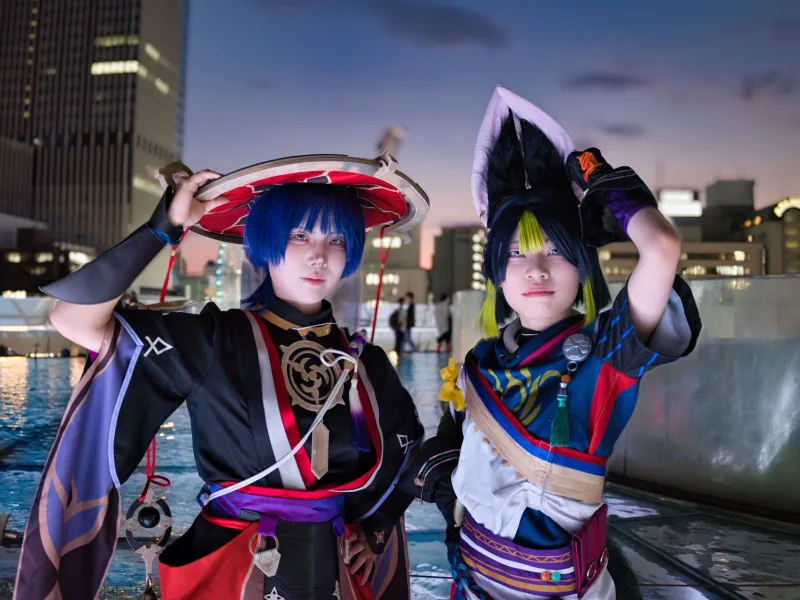
For years, the American cosplay calendar ran on a pretty predictable loop. San Diego Comic-Con in July. Anime Expo on the Fourth of July weekend. PAX, DragonCon, Otakon — rinse, repeat. And look, those events are genuinely great. But a growing number of cosplayers are quietly stepping off that hamster wheel and doing something a little more unexpected: they're flying to Tachikawa.
Not Tokyo. Not Osaka. Tachikawa — a mid-size city about 30 minutes west of Shinjuku on the Chuo Line, and one that's been building a reputation in otaku circles for reasons that go way beyond just anime shopping. For cosplayers specifically, it's becoming something close to a spiritual home base. Here's why.
The Convention Floor Can't Compete With the Whole City
When you attend Comic-Con or Anime Expo, the cosplay experience is essentially contained. You get your badge, you walk the floor, you pose for photos in the designated areas, and then you go back to your hotel room and carefully hang everything up. The magic is real, but it's also bounded — by venue rules, by security checkpoints, by the sheer density of 130,000 strangers all trying to do the same thing at once.
Tachikawa doesn't work like that. The cosplay culture here spills out into the streets, into the shopping arcades, into the cafés and game centers and parks. American fans who've made the trip describe a kind of low-key immersion that's hard to articulate until you've felt it yourself.
"I walked out of a fabric shop in full Demon Slayer cosplay because I was testing how a new obi wrap was sitting, and nobody even blinked," says Maya, a 27-year-old cosplayer from Portland who visited last spring. "Back home, that would've been a whole moment. Here it was just... Tuesday."
That normalization is part of what makes Tachikawa feel different. Costume culture is woven into the everyday fabric of the city, not cordoned off behind a wristband.
The Fabric Sourcing Situation Is Genuinely Life-Changing
Ask any serious cosplayer what their biggest stateside frustration is, and fabric access will come up fast. Yes, Joann Fabrics exists. Yes, you can order things online. But the sheer variety, quality, and specificity of materials available in Japanese craft supply shops is on another level entirely — and Tachikawa has several worth making a dedicated trip for.
The city's shopping complexes, particularly around the Tachikawa and Tachihi-no-Mori areas, include specialty craft retailers stocking everything from high-sheen brocades perfect for fantasy armor underlays to ultra-fine mesh ideal for translucent fairy-tale looks. More importantly, staff at these shops are often genuinely knowledgeable about cosplay applications — not just sewing in general, but the specific structural demands of recreating anime silhouettes.
"I found a metallic pleather in a shade of blue that I'd been hunting for literally two years," says Derek, a 31-year-old competitive cosplayer from Atlanta. "I bought six meters of it and still feel like I robbed someone."
Beyond fabric, Tachikawa's proximity to Tokyo means a short train ride can get you to Nippon Vogue or the craft floors of Tokyu Hands for notions, interfacing, and specialty tools that simply don't exist in most American hobby stores. Tachikawa serves as a perfect home base for these supply runs — affordable, well-connected, and less overwhelming than trying to navigate central Tokyo with a suitcase full of materials.
Community Events That Actually Feel Like Community
One thing that gets lost at mega-conventions is intimacy. When an event draws six figures worth of attendees, even the most passionate shared interest can start to feel transactional. You get your photo, you move on, you never see that person again.
Tachikawa's cosplay events operate at a completely different scale — and that's the point. Local gatherings, pop-up cosplay meetups at nearby Showa Kinen Park, and community nights hosted by game centers and entertainment venues in the area tend to draw crowds in the hundreds rather than the tens of thousands. That difference in scale changes everything about the social dynamic.
American fans who've attended these events consistently mention the same thing: people actually talk to each other. Not just for a photo op, but in the way that people talk when they're genuinely excited about the same thing and have the time and space to express it.
"I ended up spending three hours with a group of Japanese cosplayers who were working on a group Fire Emblem build," says Priya, a 24-year-old from Chicago who visited during a local event last autumn. "My Japanese is basically zero and their English wasn't much better, but we spent the whole time showing each other construction techniques on our phones. It was the best cosplay conversation I've ever had."
That kind of cross-cultural craft exchange is something no programming schedule can manufacture. It just happens — when the environment is right.
Tachikawa as a Base Camp, Not Just a Destination
Part of what makes Tachikawa so practical for American cosplayers is its position in the greater Tokyo metro area. It's close enough to the city to access everything — Akihabara for electronics and props, Harajuku for fashion inspiration, specialty wig shops in Ikebukuro — but far enough removed to feel like you're actually somewhere, rather than just another tourist node.
Housing is more affordable than central Tokyo. The train connections are excellent. And the city itself has enough entertainment infrastructure — arcades, themed cafés, pop culture retail — to keep a fan occupied for days without ever needing to commute.
For cosplayers specifically, having a stable, affordable home base while making targeted supply runs is genuinely valuable. You can spread out your materials, work on adjustments in your hotel room or Airbnb, and then head out for the day without hauling your entire kit through Shinjuku Station at rush hour.
Reframing the Trip Entirely
Here's the mindset shift that seems to define the American cosplayers who get the most out of Tachikawa: they stop thinking of the trip as "going to Japan" and start thinking of it as "going to level up."
The convention circuit is about showing your work. Tachikawa is about doing the work — sourcing better materials, absorbing design influences firsthand, connecting with a global community of makers, and experiencing the culture that produced the characters you love in a way that no panel discussion or exhibit floor ever replicates.
Comic-Con will always have its place. The energy of 130,000 fans in one building is genuinely electric, and nobody's suggesting you cancel your badges.
But if you've ever stood in line for three hours to get a two-second photo op and thought there has to be more than this — Tachikawa might be exactly the answer you didn't know you were looking for.
Pack your sewing kit. The city's waiting.