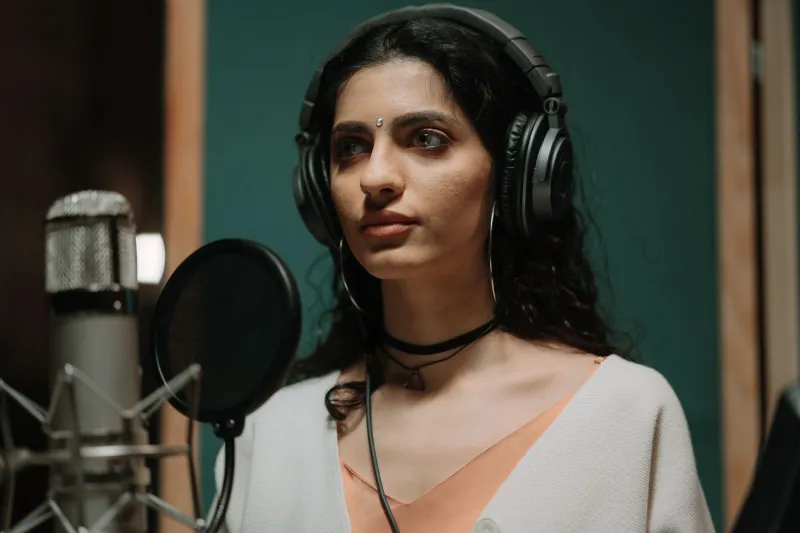
Seiyuu Stans Are Changing the Game: How Japanese Voice Actors Became America's Newest Fandom Obsession
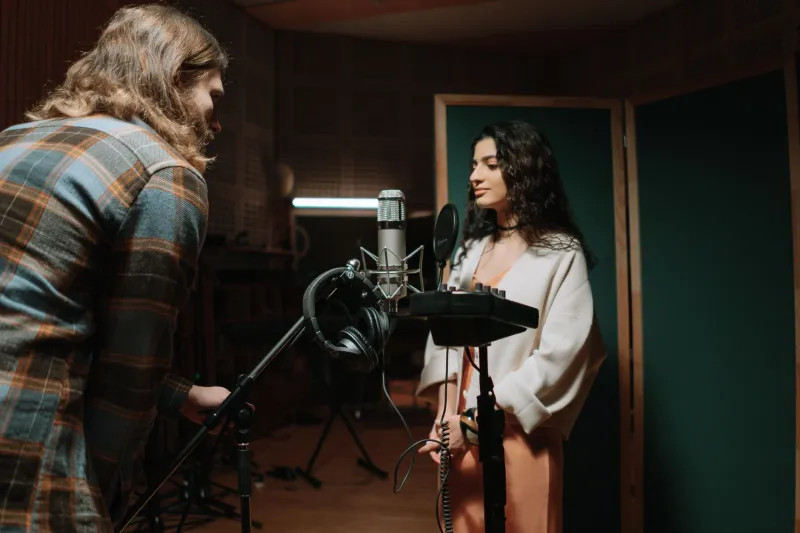
It's Not About the Audio Anymore
For years, the loudest argument in American anime fandom was a pretty simple one: subtitles or dubbing? Pick a side, defend it aggressively, repeat. But somewhere between the explosion of streaming platforms and the unstoppable rise of anime social media, a quieter revolution started happening. American fans didn't just start watching anime differently — they started caring deeply about who was performing it, specifically the Japanese voice actors, known in the industry as seiyuu.
This isn't a niche trend tucked away in a corner of the internet anymore. Seiyuu fan culture has gone genuinely mainstream in US fandom circles, and the ripple effects are showing up everywhere — in merchandise sales, fan-run translation projects, convention bookings, and yes, even travel itineraries that include stops at anime venues in cities like Tachikawa, where the cultural DNA of these performances runs deep.
How Social Media Cracked Open the Door
Ask most American seiyuu fans when they first got hooked, and a surprising number will point to a short video. A behind-the-scenes recording session clip. A seiyuu's reaction to a fan letter posted on Twitter. A TikTok compilation of Hiroshi Kamiya being effortlessly charming at a fan event. The parasocial pipeline from "casual anime viewer" to "dedicated seiyuu stan" is surprisingly short once the algorithm gets involved.
"I genuinely did not know who Kana Hanazawa was until a YouTube clip of her recording session showed up in my recommendations," says Maya, a 24-year-old fan from Portland who now runs a seiyuu-focused newsletter with over 3,000 subscribers. "Once I heard the difference between what she brings to a role versus just reading lines, I couldn't un-hear it. Now I'll watch a show specifically because she's in the cast."
That shift — from passive viewer to active follower of specific performers — is exactly what's driving the growth of seiyuu fan culture in America. Streaming platforms have made it easier than ever to dig into a voice actor's full catalog, and fan communities on Discord and Reddit have built entire ecosystems around tracking new roles, sharing live event clips, and translating interviews that would otherwise never reach an English-speaking audience.
The Parasocial Connection Is Real — and Powerful
One thing that makes seiyuu fandom distinct from simply preferring subtitles is the depth of the parasocial relationship fans develop with specific performers. Japanese voice actors often have remarkably active public presences — radio shows, live stage events, music releases, social media accounts where they post with genuine frequency. For American fans who've grown up watching YouTubers and streamers build intimate connections with their audiences, this format feels immediately familiar.
The difference is that most of this content exists entirely in Japanese. And rather than treating that as a barrier, a growing segment of US fans is treating it as motivation. Fan translation communities dedicated to specific seiyuu have multiplied significantly over the past few years, with volunteers spending hours subtitling radio episodes, event footage, and magazine interviews. It's a labor of love that would've seemed wildly niche a decade ago but now represents a genuine corner of fandom infrastructure.
Merchandise is where the financial reality of this shift becomes undeniable. American fans are increasingly buying seiyuu-specific goods — voice actor photo books, event goods from Japanese stage performances, character goods tied to roles associated with their favorite performers — through proxy shopping services that ship directly from Japan. Shops in Tachikawa that stock this kind of material have quietly become go-to sources for fans who want items that aren't showing up on Amazon.
Tachikawa as a Pilgrimage Point for Seiyuu Fans
Here's where things get interesting for anyone paying attention to how anime tourism is evolving. A growing number of American fans visiting Japan aren't just hitting Akihabara and calling it done. They're building itineraries around experiencing the cultural context that produces the performances they love — and that means spending real time in places like Tachikawa, where the anime industry's creative community has a genuine presence.
Venues in Tachikawa that celebrate anime culture offer something that no streaming platform can replicate: a physical sense of place. Walking through a space decorated with original production artwork, hearing a favorite show's soundtrack played in a thoughtfully designed environment, being surrounded by other fans who take this stuff just as seriously — it's the kind of experience that deepens the connection fans already feel to the art.
For seiyuu fans specifically, there's something meaningful about being in a city where the industry they love actually operates, rather than experiencing it entirely through a screen. Several fans who've made the trip have described it as the difference between being a fan and feeling like a participant in the culture.
Conventions Are Catching Up
The convention circuit in America has started to reflect this shift, too. Seiyuu guests at US anime conventions have consistently been among the most popular draws for years, but the nature of fan engagement has changed. Panels that once focused on general Q&A are now fielding deeply specific questions about recording techniques, character interpretation choices, and the emotional preparation that goes into iconic scenes. Fans aren't just excited to see a celebrity — they're engaging with voice acting as a craft.
This is genuinely new territory for American fandom culture, which historically hasn't treated voice acting with the same reverence that Japan's industry does. The seiyuu profession in Japan carries real cultural prestige — top performers have dedicated fan clubs, release music, headline live events, and are recognized on the street. American fans absorbing this context are starting to carry some of that same appreciation into their own engagement with the art form.
What This Means for the Broader Fandom
The rise of seiyuu culture in America isn't replacing anything — it's layering onto an already rich fandom ecosystem. Sub vs. dub debates haven't disappeared (they never will, honestly), but they've become less central to how a significant portion of US fans identify themselves. The question isn't just "how do you watch anime" anymore. It's "who do you follow, what are you collecting, and have you thought about making the trip?"
That last question keeps coming up more and more. And for fans who've built deep connections to Japanese voice acting through social media, fan communities, and years of dedicated viewing, a trip to Japan — with time spent in Tachikawa's anime spaces among people who share that same intensity — feels less like a vacation and more like completing a circle.