Your Yen Matters More Than You Think: How American Anime Fans Are Quietly Bankrolling Japan's Regional Cities
Your Yen Matters More Than You Think: How American Fans Are Quietly Bankrolling Japan's Regional Cities
Let's be honest — when most American anime fans start planning a Japan trip, the itinerary usually looks something like this: Tokyo, Akihabara, maybe Kyoto if there's time. But something has shifted over the last few years, and it's showing up in the cash registers of cities that rarely make the travel blog circuit. Places like Tachikawa. Places that, until recently, most Western tourists couldn't have pointed to on a map.
The numbers are starting to tell a story that Japanese regional planners and local business owners are only just beginning to understand. And that story has a surprising lead character: the American anime fan with a carry-on full of spending money and a Google Maps list of sacred filming locations.
The Pilgrimage Economy Is Real — And It's Growing
Anime tourism — the practice of visiting real-world locations that inspired or appeared in anime series — has been a thing in Japan for decades. Japanese fans have long made the trip to the rural town that inspired Non Non Biyori or the quiet coastal city behind Ano Hi Mita Hana. But Western fans doing the same thing? That's a more recent phenomenon, and it's accelerating fast.
According to Japan Tourism Agency data, inbound tourism from the United States has been recovering strongly post-pandemic, with a notable uptick in visitors citing pop culture as a primary travel motivator. What's less documented — but increasingly felt at the street level — is how much of that spending is landing outside the traditional tourist corridors.
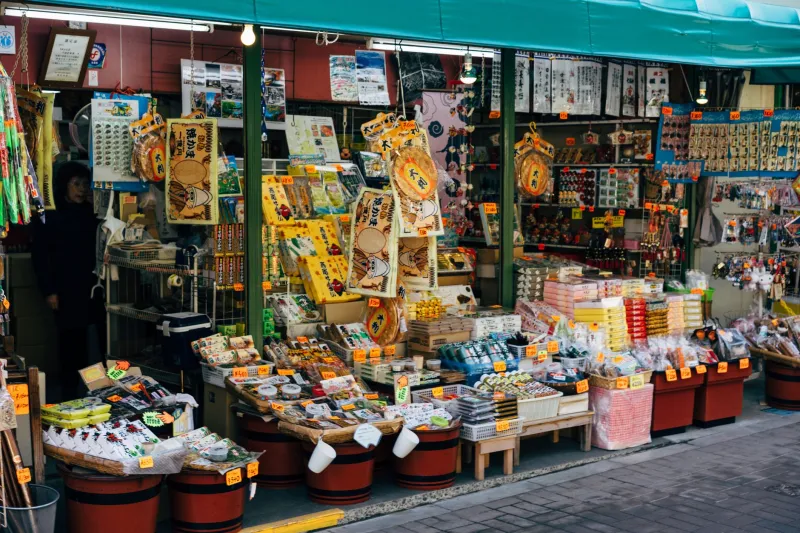
In Tachikawa, local shop owners have noticed. A hobby store manager near Tachikawa Station described a shift in his customer base over the past two years: more foreign faces, more English-language requests, more people clutching printed-out maps of locations tied to anime productions shot in the area. "Before, maybe one or two foreign customers a week," he said through a translator. "Now, some days it's ten, fifteen. And they buy a lot."
Small Cities, Big Impact
Here's the part that most people don't fully appreciate: a single American tourist spending money in Tachikawa has a proportionally larger economic impact than the same tourist dropping cash in Shibuya. The math isn't complicated. Major tourist districts in Tokyo have enormous absorptive capacity — they're built to handle millions of visitors. Mid-size cities like Tachikawa are not. Which means every hostel booking, every set lunch at a local izakaya, every limited-edition figure purchased at a regional hobby shop punches above its weight.
Economists who study regional revitalization in Japan have a term for this: chiiki kasseika, or regional vitalization. It's a policy priority that the Japanese government has poured billions of yen into with mixed results. The irony is that American anime fans may be accomplishing organically what top-down economic policy has struggled to manufacture.
A researcher at a Tokyo-based urban policy think tank put it bluntly: "Foreign fans who come for anime are often better economic visitors than traditional tourists. They stay longer, they spend more locally, and they're not just going to the same five restaurants that every travel guide recommends. They're exploring."
The Accommodations Angle Nobody Talks About
Hotels and big-brand accommodations capture a lot of tourist spending, but they're not where the real community-level economic activity happens. It's the guesthouses, the family-run ryokan on the edge of town, the Airbnb-style spots run by locals who decided to open their spare rooms to visitors — these are the places where anime tourist dollars tend to land.
In Tachikawa and the surrounding Tama area, small accommodation operators have started quietly marketing to Western anime fans through social media, fan forums, and even Discord servers dedicated to Japan travel. It's grassroots and a little scrappy, but it's working. One guesthouse owner in the area described her business as having "changed completely" after she started posting about nearby anime filming locations on Instagram. "I started getting bookings from America, from Europe. People want to stay somewhere that feels like the places they love from shows."
That's not a marketing campaign from the Japan National Tourism Organization. That's a local entrepreneur figuring out that American fans are a market worth courting — and acting on it.
What the Big Media Companies Are Missing
Here's a genuinely surprising wrinkle in all of this: the major Japanese media corporations — the studios, the licensors, the production committees — are largely not capturing this economic activity. When an American fan spends $200 at a local Tachikawa shop on figures, artbooks, and regional exclusives, almost none of that money flows back to the IP holders in the traditional sense. It goes to local retailers, local landlords, local staff.
That's not a criticism of the studios — it's just how the ecosystem works. But it does mean that the economic power American fans wield in regional Japan is, in a very real sense, more impactful at the community level than a licensing deal or a streaming agreement. The fan who flies to Tachikawa and spends a week exploring is doing something that no corporate partnership can fully replicate: they're putting money directly into the hands of the people who actually live there.
Some regional governments are starting to catch on. Tachikawa's local tourism initiatives have increasingly leaned into pop culture angles, recognizing that the city's proximity to anime production facilities and its own cultural identity as a creative hub can be leveraged to attract exactly this kind of visitor.
The Feedback Loop
There's also a longer-term dynamic worth watching. American fans who visit places like Tachikawa don't just spend money — they come home and talk about it. They post on Reddit, they make YouTube vlogs, they recommend the city to their friends in anime fan communities. That word-of-mouth marketing is worth something that's genuinely hard to put a dollar figure on, but regional tourism boards are increasingly trying to.
One city official in the Tama area described American tourists as "ambassadors who don't know they're ambassadors." The content they create, the stories they tell, the TikToks they post — all of it feeds back into a cycle that brings more visitors, more spending, and more visibility to cities that have historically been overshadowed by Tokyo's gravitational pull.
Why This Matters for You
If you're an American anime fan planning a Japan trip, this is genuinely worth sitting with. Your choices about where to stay, where to eat, and where to spend your merch budget have real consequences for real communities. Choosing Tachikawa over another night in Shinjuku isn't just a more interesting travel decision — it's a more impactful one.
And honestly? The experiences you'll find in a city like Tachikawa — the local arcades, the hobby shops with regional exclusives, the restaurants where the staff actually gets excited to see foreign fans — those aren't consolation prizes for skipping the big tourist spots. They're the main event.
The anime pilgrimage economy is real, it's growing, and American fans are at the center of it. It's just that most of them don't realize yet how much power they actually have.